
women of ikorta: our stories
nana chkareuli
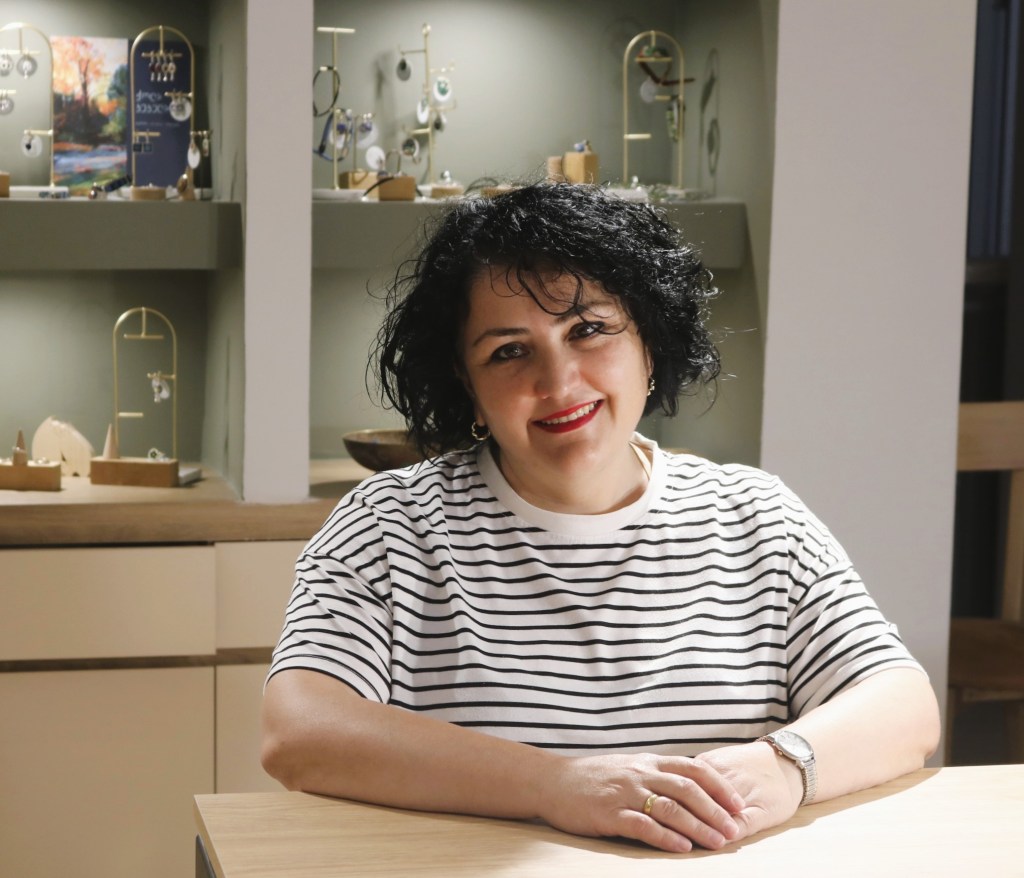
After being forced to leave Akhalgori in August 2008, we faced an uncertain future. The country was in chaos, society was divided, and we had t adapt to new problems, new people, and a new environment. I found that I needed to learn joy, happiness, and how to fight from scratch.
Up to 8,000 people who miraculously escaped from the war started living in the Tserovani IDP Settlement. They had lost their loved ones, faced physical and mental injury, and on a daily basis they had to deal with the consequences of war. The new environment was very stressful. At the beginning, we unwittingly waited for help, which was destroying me. I felt very insulted if someone pitied me. I cannot wait for or depend on someone. My friends used to call me and offer help but I didn’t need any. I just needed a job; it didn’t really matter what kind of job it was. I needed to work in order to get my confidence back. But at the same time, all my dreams, plans and ideas were connected to Akhalgori.
One day, I attended a training about developing social enterprises, and I was inspired to implement it in our IDP settlement. That was the start of Ikorta.
ana chkareuli
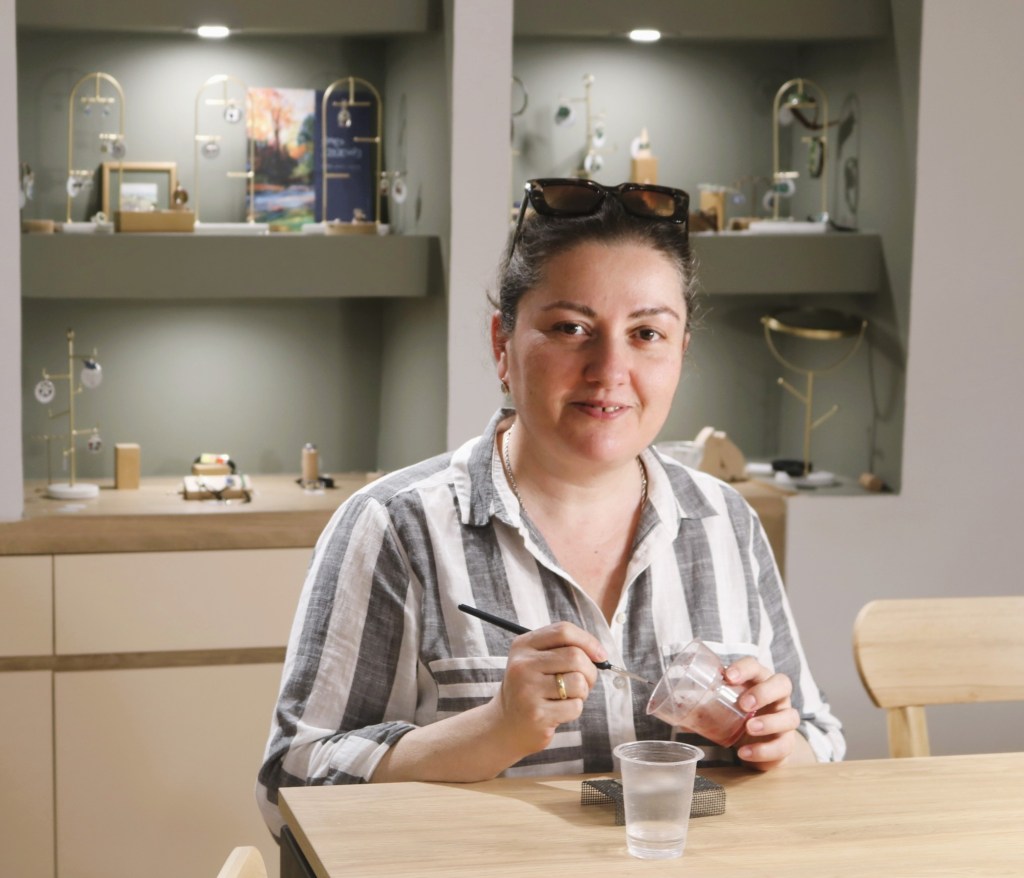
School, university, and family… many of my fondest memories are tied to our home in Akhalgori. However, in 2008, everything suddenly collapsed. With three kids to support, I couldn’t be afraid during that terrible period.
The first days in Tserovani were difficult. Everyone was confused and scared. No one could perceive our new surroundings as ‘home.’ Everything was new, strange, and unusual. The only thing that eased our pain and suffering was our tight-knit community. We would only succeed if we worked together.
As my children grew older, I decided to return to work. The job market was scarce and extremely competitive, and so, I struggled to find the right fit for my skills. It was then that Ikorta appeared in my life.
My children enjoy helping me create new thoughtful designs. Ikorta has offered me more than a source of income; it has become my second family.
maia gochashvili
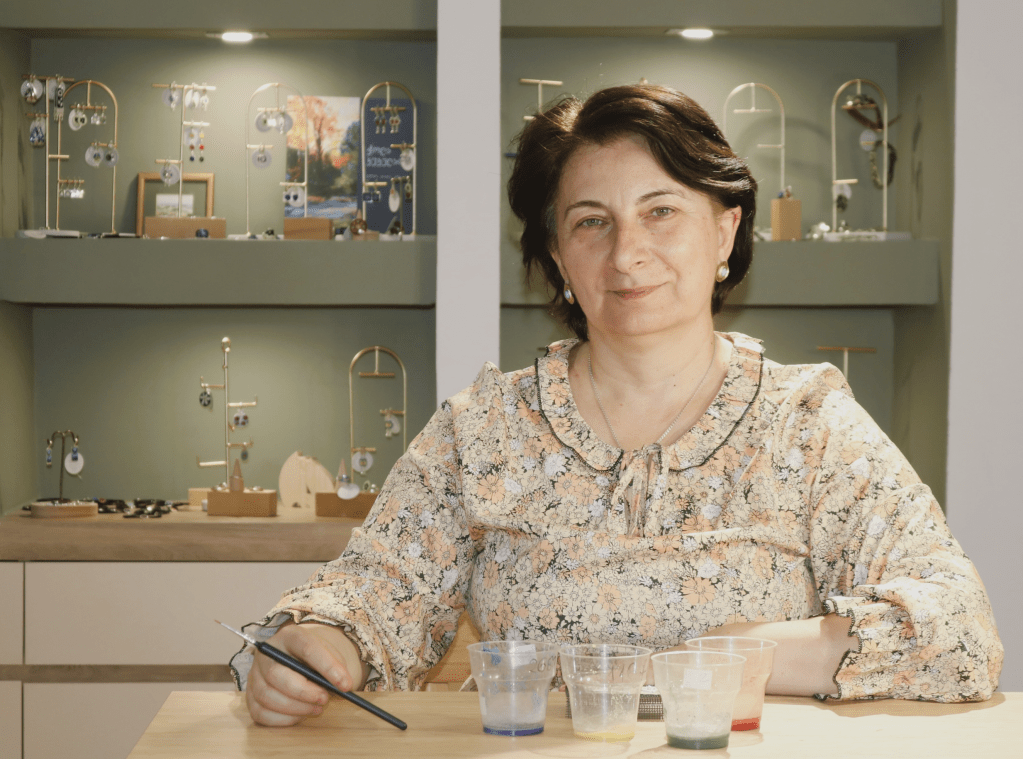
The fire of war engulfed my life twice, first in 1991 and again in 2008. Everything I loved had been taken away, and I was left wondering if I would ever be able to escape the horrors.
Then I accidentally heard that there was a training course in septal enamel in Ikorta and decided to take it. I attended classes intensively and did not miss a single lesson. I was hoping this was a chance to get out of this situation. Septal enamel turned out to be a kind of art therapy for me. After completing the training course, I got a job at this social enterprise in Tserovani, very close to my home.
Ikorta has provided me the opportunity and skills to rebuild my life. My designs focus on the theme of hope in the form of white tulips on a blue background. I really love my work here, and I am glad that Georgians and tourists enjoy our work.
“Ikorta has provided me the opportunity and skills to rebuild my life.”
ana mazmishvili
My whole existence is connected to Akhalgori. I spent the best years of my childhood there. I was 11 years old when the 2008 Russia-Georgia war broke out. My family was forced to flee to a temporary shelter in the capital, hoping to someday return home.
In 2016, I moved to Tserovani for school. Here, I found my second family and friends here. Ikorta has provided me the opportunity to develop my skills and restore my sense of belonging.
Everyone at Ikorta is joined by a singular dream: to, one day, return home. I hope that isn’t too far away.
ana akhlouri
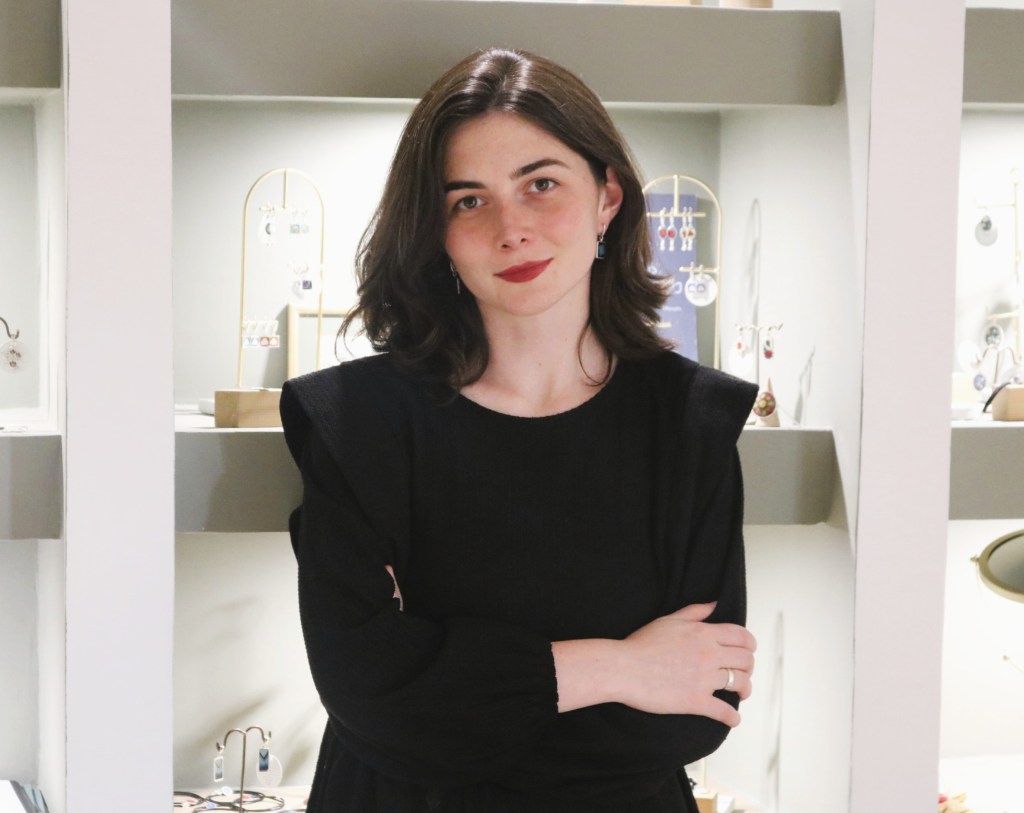
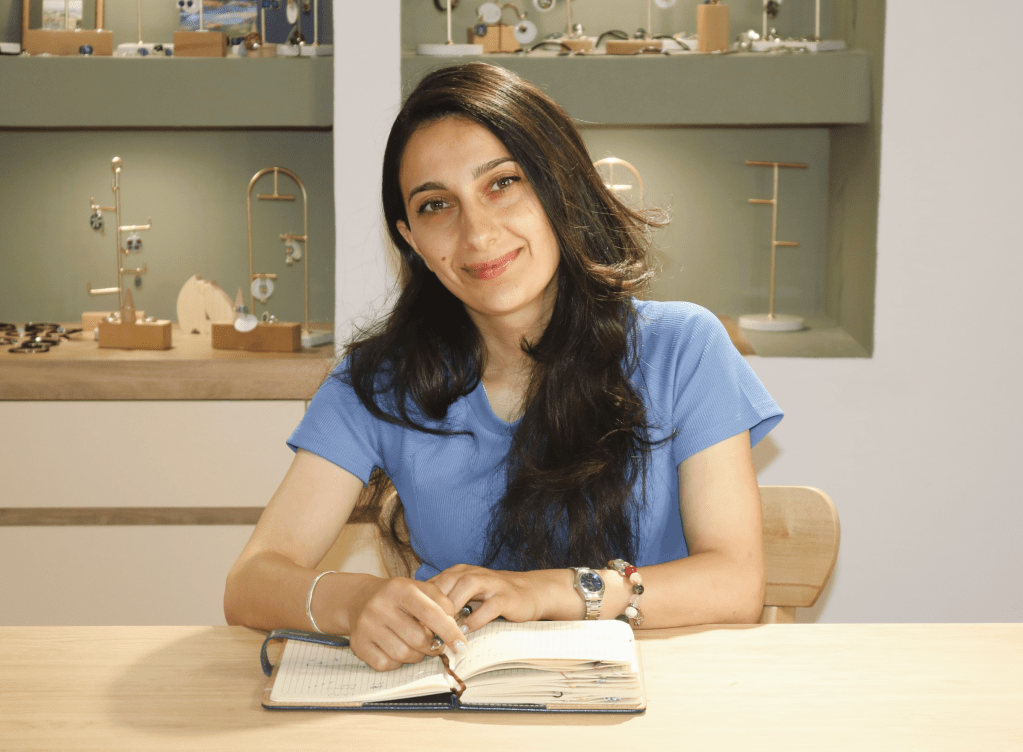
Despite our efforts to distance ourselves from the shadow of war, our surroundings and past serve as constant reminders that we are not considered “normal.” The echoes of war reverberate through society’s stereotypes, our political standing, and the labels imposed upon us. We can’t escape it.
Yet, there comes a realization that despite our attempts to forget the past, it remains firmly rooted. This truth presents us with a choice: to hang our heads in defeat or to stand tall, proud of our experiences and minor victories, and try to change others’ perceptions.
To me, Ikorta serves as a tool, through which I can narrate Ana’s story on my terms, free from the shackles of politics and prejudice. In Ikorta, therefore the echoes of war, I find strength. It is here that I refuse to be defined by the scars of the past, instead choosing to shape my own narrative, and perhaps, in doing so, influencing the narratives of others.
rusudan morbedadze
Every place that remains in my memory from childhood is occupied today. It’s difficult to describe the days of war in just a few sentences. I am just thankful we are alive. To this day, I still don’t understand how this field became a settlement. Nonetheless, we take pride in its development.
Here, at Ikorta, we produce beautiful jewelry, but Ikorta in itself is a jewel. I am fortunate to be the financial manager of the studio and to have the opportunity to learn, develop, and contribute to Ikorta. After my first day with Ikorta, my husband had asked about my first impression of the studio; I replied that God created Ikorta just for me.
Ikorta makes it possible to look at life through the eyes of hope and regain faith in the future.
I have many reasons to say out loud: I love Ikorta!
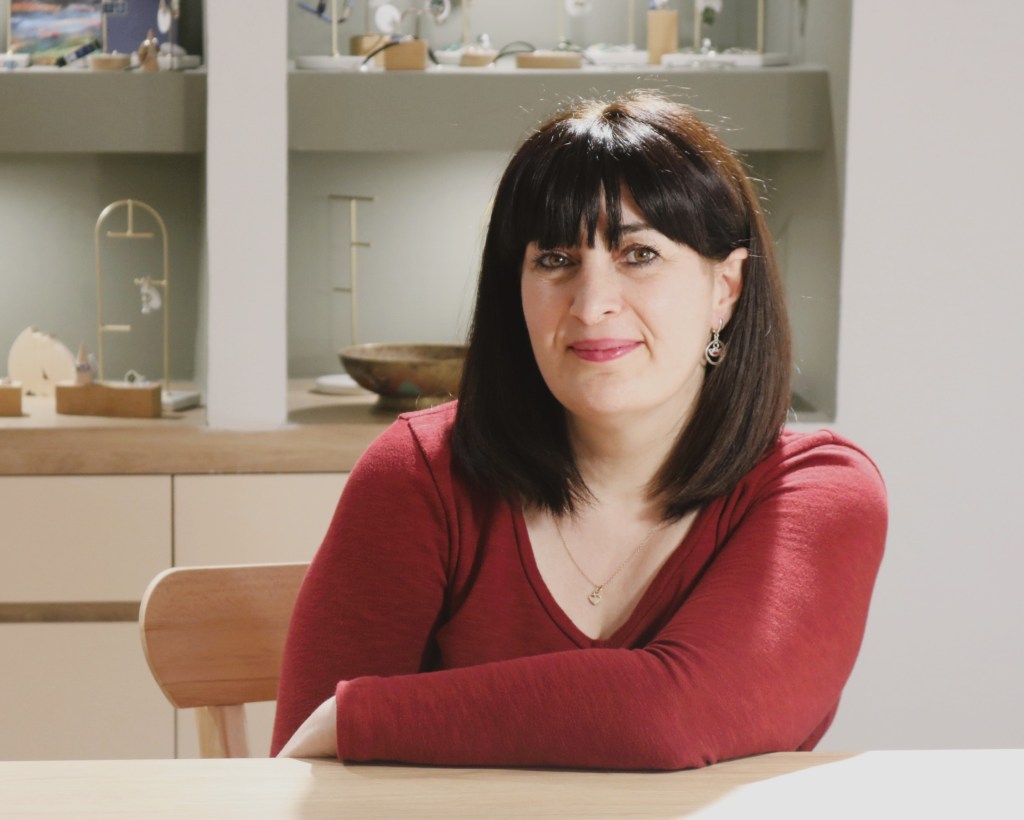
“I have many reasons to say out loud: I love Ikorta!”
nino gatenashvili
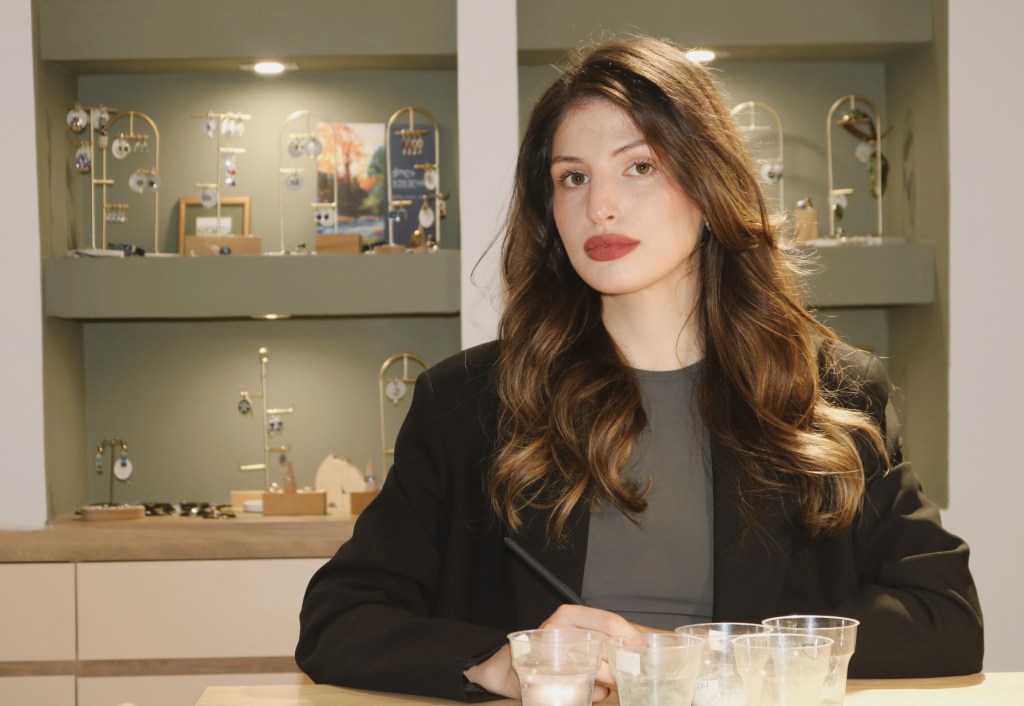
I was 7 years old when the war started in Akhalgori. In fleeing our home, I had to change schools and adapt to new environments many times. It became hard to feel “at home” anywhere as I felt lost everywhere. My childhood was stolen from me, and I struggle to remember a happy memory from it.
Settling in Tserovani brought relief to everyone. Although we still have a long journey ahead of us, it was the first important sense of hope for everyone in a world filled with hopelessness. Working at Ikorta has changed my life. I am beyond grateful for our team for restoring my confidence and motivation to make a difference in the world.
kato ovashvili
It was very difficult to adjust to the loss of everything in Akhalgori. We had to rebuild our lives while adapting to a new environment and people. At the age of 10, I struggled to understand the sense of longing and pain that I felt.
Ikorta has become a second home for me. This place is more than just about crafting beautiful enamel jewelry. I am happy to have a place where I can be who I am unconditionally.
ketevan balkhamishvili
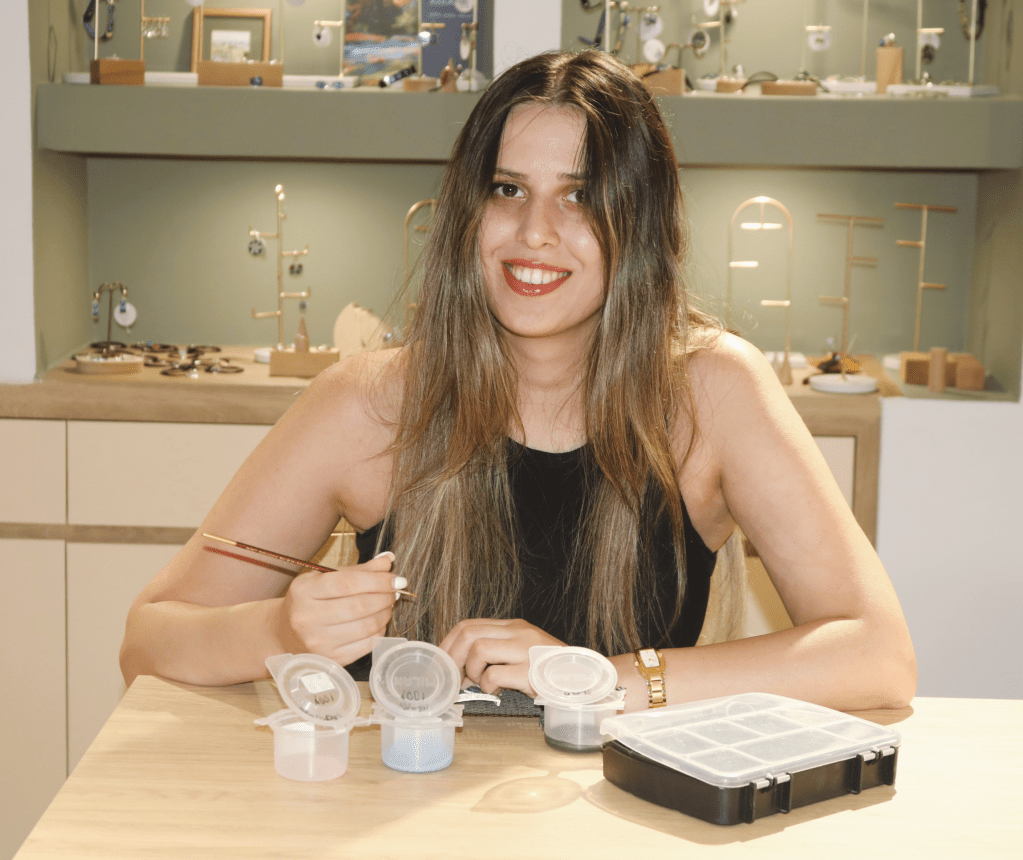
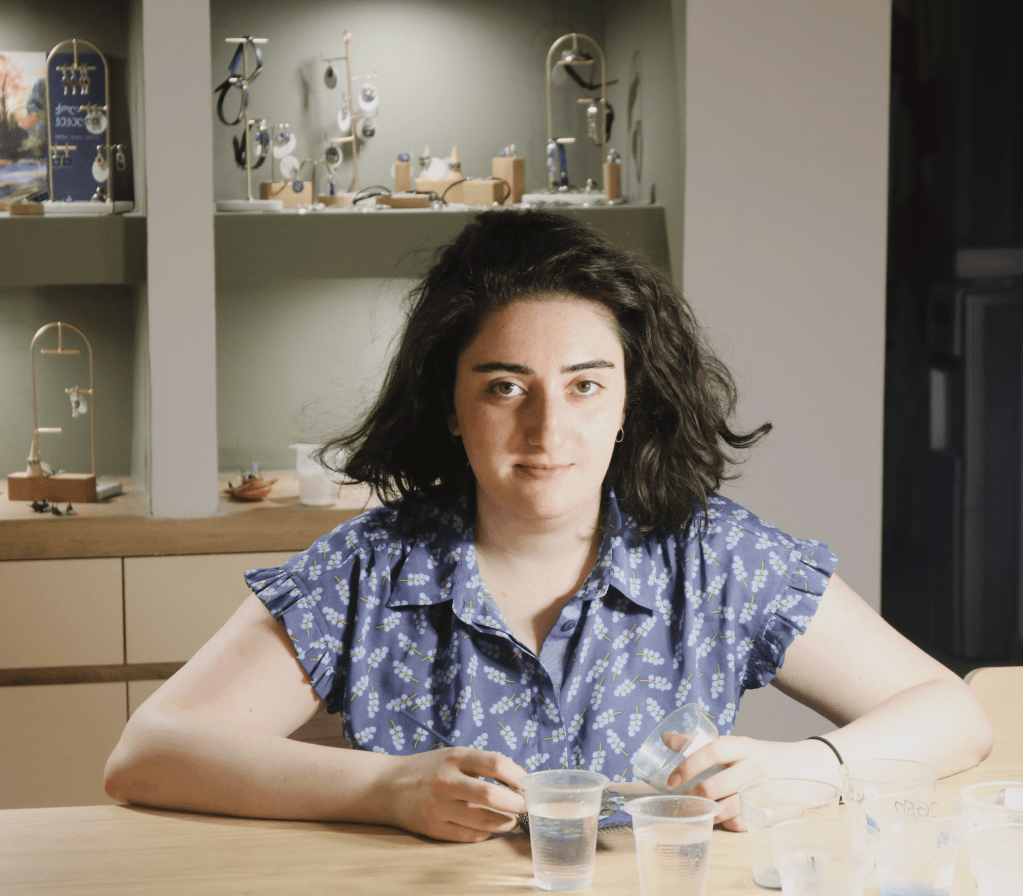
I was 7 years old in 2008, going to second grade, when we were informed that the Russian army was approaching and we would have to leave. The concept of losing everything and starting anew, with no certainty or expectations, was entirely foreign and inconceivable at that young age.
Despite losing everything, the hope of returning never faded. It’s likely that no one among us can claim to have never uttered the words, “When we return to Akhalgori…” By 2009, every student from Akhalgori had changed schools at least three times, eventually completing our studies in the resettlement village of Tserovani. Sometimes, I ponder what life would have been like had I remained in Akhalgori.
The Ikorta enamel workshop offered an opportunity for growth, and not only brought happiness to many but also served as a means to preserve our history. Today, my life feels incomplete without Ikorta.

